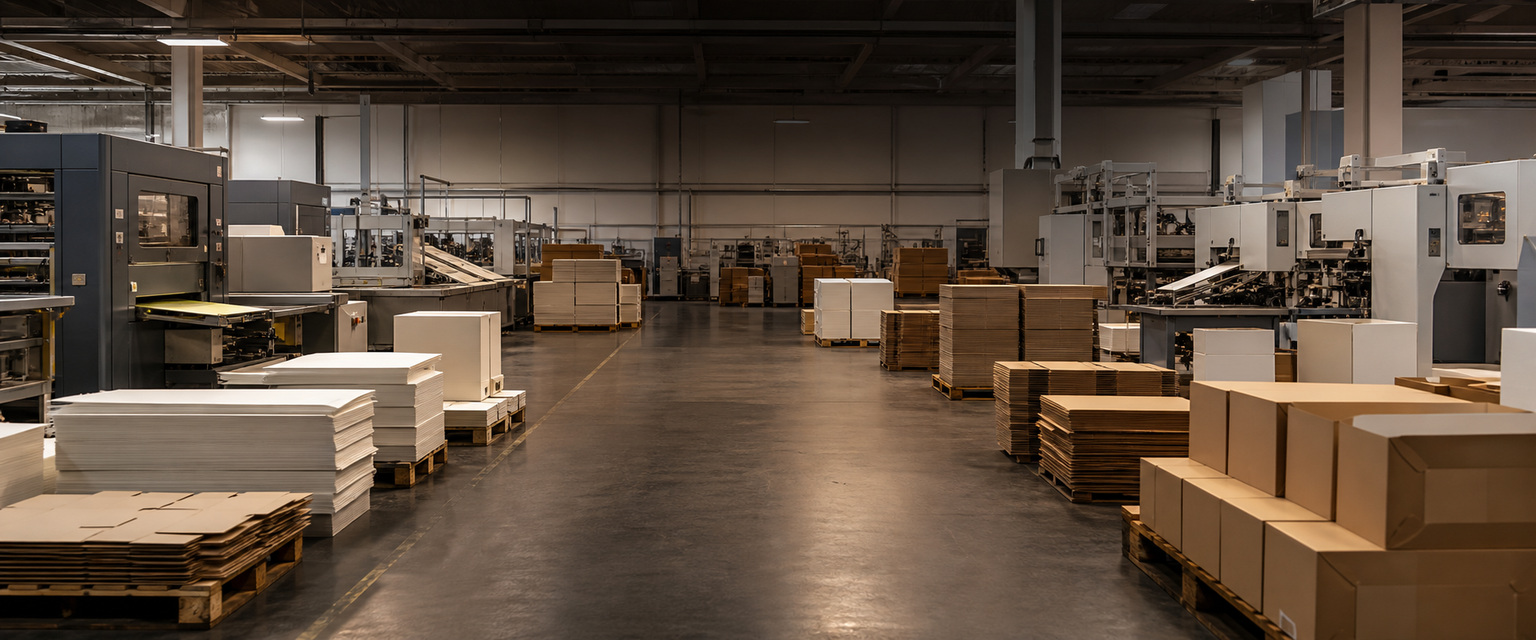

Future-proofing your brand with sustainable paper box materials means making packaging choices that work for both today’s product requirements and tomorrow’s waste expectations. The most reliable approach is usually straightforward: specify a fibre-based box with an appropriate recycled content, minimise mixed materials, avoid unnecessary plastic finishes, and make sure the finished pack can be collected and sorted in practice.
There is no single “greenest” board for every product. A moisture-sensitive food item, a premium gift box and a postal e-commerce carton may each need different levels of protection and presentation. The aim is to balance durability, shelf appeal and practical end-of-life options without relying on vague environmental claims.
Understanding Recycled Content and Composites
Recycled content describes the proportion of paper fibres recovered from previous use and made into new board. It can help reduce demand for virgin fibre, but it is only one part of a responsible specification. Board strength, print finish, product-contact needs, colour consistency and the available recycling route should all be considered alongside recycled content.
Paper fibres cannot be recycled indefinitely. They become shorter over repeated processing, so responsibly sourced virgin fibre still has a role in maintaining material strength and the wider fibre cycle. Rather than treating virgin and recycled fibre as opposing choices, assess which combination suits the pack’s function.
Choose the board grade around the job it must do
Ask your packaging supplier to explain the board construction and its suitability for your design. Useful questions include:
- What percentage of recycled content is present, and how is it measured?
- Is the board made from recycled fibre, virgin fibre, or a combination?
- Does the box need to resist stacking pressure, scuffing, grease or moisture?
- Will the design use a dark flood print, embossing, foiling or other treatments that affect the substrate?
- Is a white print surface essential, or can a natural uncoated appearance support the brand?
- Does the product need a protective barrier, and can that barrier be designed with recycling in mind?
A thick board is not automatically the better environmental choice. Over-specifying material adds weight and resource use, while under-specifying it can lead to damage, returns and avoidable waste. Select the lightest board that still protects the product through its intended use.
Be cautious with composite structures
A composite pack combines paperboard with other materials, such as plastic film, foil, foam, magnets or fabric. These elements may be necessary for particular products, but they can make sorting and recycling more difficult, especially when they cannot be readily separated.
Common examples include:
- Paper boxes with plastic lamination
- Metallised or foil-lined cartons
- Rigid boxes with foam inserts
- Multi-layer packs with barrier films
- Gift boxes using magnets, ribbon or glued-on decorations
Composites are not always unsuitable. The key is to justify every layer and design it for removal or separation where possible. If a protective component is essential, provide simple disposal guidance that reflects the likely route available to the customer.
For brands developing a new format, a well-briefed custom box project can begin with the product’s protection needs rather than adding decorative layers after the structure is chosen.
The Move Away from Single-Use Plastics
Reducing unnecessary single-use plastic is a practical way to simplify packaging and improve its end-of-life potential. In paper box design, this often means replacing plastic windows, shrink wrap, loose void fill or laminated finishes where an alternative can meet the same purpose.
However, replacing plastic should not become an automatic material swap. A paper-based alternative still needs to protect the item, work with the packing process and suit the collection systems customers actually use. A poorly designed replacement that causes breakage or needs excessive material may not be an improvement overall.
Start by identifying the plastic’s function
Before removing or replacing plastic, define what it does:
| Plastic component | Function to assess | Paper-led design option to explore |
|---|---|---|
| Clear window | Product visibility | Printed product imagery, a die-cut aperture where suitable, or a separate display solution |
| Laminated surface | Scuff or moisture resistance | Uncoated board, aqueous coating, or a more targeted protective treatment |
| Shrink wrap | Tamper evidence or bundling | Paper seal, carton closure redesign, or a label-based tamper feature |
| Foam insert | Cushioning | Folded board insert, moulded fibre, or redesigned internal fitment |
| Plastic tape | Closure | Paper tape, tuck closure or peel-and-seal paper-compatible solution where appropriate |
Each option has limitations. A die-cut window may reduce protection from dust. A paper seal may not offer the same barrier properties as film. An uncoated carton can show handling marks more readily than a laminated one. Test the proposed format with the product, especially if it will be handled frequently or sent through postal networks.
Paper-based tamper seals and product labels can also support clear pack communication. Consider custom printed stickers for applications where a removable or disposable seal makes more sense than permanently combining several materials into the box.
Avoid “plastic-free” claims that overstate the result
A box may appear paper-based while still containing adhesive, coating, pigment, closure components or product-protection layers. If using a plastic-free claim, define exactly what it covers and make sure it is accurate for the complete packaging supplied to the customer.
Clear, specific wording is more useful than broad language. For example, identify the material or feature being reduced, rather than suggesting that every part of the pack has no environmental impact.
Water-Soluble Inks and Coatings
Inks and coatings influence appearance, handling resistance and how easily a paper pack can be processed at end of life. Water-based systems are often considered for paper packaging because they can reduce reliance on some solvent-based formulations. Yet “water-soluble” and “water-based” are not universal guarantees of recyclability, compostability or low environmental impact.
The full printed construction matters: ink coverage, pigment type, varnish, coating weight, adhesive, lamination and any special finish can all affect processing.
Specify function, not a marketing label
Instead of asking only for a water-soluble ink or coating, describe the performance the carton requires:
- Is rub resistance needed during distribution or only for short-term shelf display?
- Does the pack need protection from splashes, grease, condensation or direct moisture?
- Is full-colour coverage essential, or can graphics be reduced?
- Does the design need a gloss finish, or would matte or uncoated board work?
- Is the intended end-of-life route recycling, home composting, industrial composting, or general waste where local infrastructure is limited?
Aqueous coatings may be appropriate for many printed boxes, but their suitability depends on the product and board. Ask for information about compatibility with the proposed substrate and verify how the finished, decorated pack should be handled at end of life.
Print coverage affects material choices
Large areas of dark ink, dense varnish and extensive decorative finishes can change the visual quality of recycled fibres and add complexity to reprocessing. This does not mean brands must avoid colour or premium presentation. It does mean that decoration should be purposeful.
Possible ways to reduce unnecessary treatment include:
- Using board colour as part of the visual identity
- Restricting heavy ink coverage to key panels
- Choosing one considered finishing technique rather than multiple layers
- Designing graphics that remain effective without full-surface coating
- Using labels only where they provide real value, such as variable information or a seal
For premium presentations, sustainable decisions should include the whole set rather than the outer carton alone. A gift packaging design can be simplified by considering the box, insert, tissue, closure and label as one system.
Monomaterial Design for Easy Recycling
Monomaterial design means using one main material type wherever possible. For paper boxes, this generally means keeping the pack predominantly fibre-based and avoiding bonded components that sorting facilities cannot easily remove.
It is one of the clearest design principles for future-ready packaging because it makes disposal instructions easier for customers to understand. It can also make design decisions more disciplined: every insert, finish and closure must earn its place.
Practical monomaterial design choices
A recyclable paper box is more achievable when you:
- Use board-based inserts instead of mixed-material trays where product protection permits.
- Build closure features into the dieline, such as tuck flaps or locking tabs, rather than adding magnets or plastic fasteners.
- Avoid permanent plastic windows unless visibility is necessary and no suitable alternative exists.
- Keep detachable elements easy to remove, such as ribbon, tags or separate product holders.
- Use labels sparingly and position them thoughtfully, particularly if they are large or made from a different material.
- Avoid decorative additions that cannot be separated, including glued-on ornaments or layered surface finishes.
Monomaterial does not require plain packaging. Shape, structural design, embossing, debossing, well-planned typography and limited colour can all create a distinctive result without relying on many incompatible materials.
Watch for hidden mixed materials
Some details can be overlooked during design approval:
- Self-adhesive closures and release liners
- Magnetic rigid-box closures
- Plastic-coated ribbon
- Metal eyelets or handles
- Foam pads beneath products
- Plastic tear strips
- Film laminations described only as “protective finish”
Request a complete component list before signing off the design. It is easier to make changes at the specification stage than after stock has been produced.
Biodegradable Additives in Packaging
Biodegradable additives are sometimes used with the intention of helping a material break down. They should be assessed carefully, especially in paper packaging, where a simpler fibre-based construction may already be a stronger route.
An additive does not automatically make the whole pack biodegradable or compostable. The outcome can depend on temperature, moisture, time, oxygen, material thickness and the conditions in the chosen disposal system. It may also create confusion if the pack is likely to enter a paper recycling stream instead.
Ask whether an additive solves a genuine problem
Before specifying an additive, consider these questions:
- What material is it being added to, and why?
- Is the packaging likely to be recycled, composted or placed in residual waste?
- Is there a recognised test method or applicable standard behind the claim?
- Does the claim apply to the complete pack, including inks, adhesives, coatings and closures?
- Will customers have access to a suitable disposal route?
- Could the additive interfere with the preferred recycling route?
For many paper boxes, the better option is not an additive but a material reduction or redesign: remove the unnecessary film, use fewer components, or select board that meets the protection need without a complex finish.
Avoid claims such as “biodegradable” unless they are specific, evidenced and clear about the conditions required. Packaging that breaks down only in a controlled facility should not imply that it will safely disappear in a home compost bin or natural environment.
Paper Box End-of-Life: Composting vs. Recycling
For most clean, predominantly paperboard boxes, recycling is usually the more relevant end-of-life route. Recycling retains paper fibres in use for longer, whereas composting ends the material’s useful life. Composting can be suitable for particular packs, especially where food contamination makes recycling impractical, but it is not a universal upgrade.
The right choice depends on the finished pack and the collection options available to the recipient.
| End-of-life route | When it may suit a paper box | Key limitations to check |
|---|---|---|
| Recycling | Clean, dry, mostly fibre-based cartons with minimal non-paper elements | Local acceptance varies; remove separate components and avoid contamination |
| Home composting | Uncoated, suitably designed fibre packaging where a relevant claim is verified | Not every coated, printed or glued pack is appropriate; conditions vary widely |
| Industrial composting | Packs designed and verified for controlled composting conditions | Access is not universal; do not assume household collection accepts it |
| Residual waste | Heavily contaminated or inseparable composite packs where no recovery route is available | This should not be presented as a sustainable outcome |
Design disposal instructions for real behaviour
The best disposal message is short, accurate and actionable. It should tell customers what to separate and where the principal component is likely to go. Avoid generic symbols or broad claims if the route depends on local collection rules.
For example, instructions may need to indicate that a ribbon, magnet, product tray, seal or protective layer should be removed before the board portion is recycled. Check current requirements with the relevant UK collection arrangements and do not state that an item is widely recyclable without confirming the finished construction and likely acceptance.
Also consider the product inside the box. A carton that comes into contact with oils, food residue or other contaminants may not be suitable for paper recycling, even if the board itself is otherwise recyclable.
How to assess sourcing and environmental claims
Environmental claims should help buyers make a meaningful comparison, not obscure the material details. The most credible claims are specific, proportionate and supported by documents or information that applies to the actual packaging being supplied.
Treat broad terms such as “eco-friendly”, “planet-safe”, “green” or “sustainable” as starting points for further questions, not as proof of performance.
A practical supplier assessment checklist
When comparing paper box options, ask for clear answers to the following:
Material and fibre
- What is the board grade and basis weight?
- Is recycled content stated as a percentage?
- What type of fibre sourcing information is available?
- Does any sourcing claim apply to the exact board, not just a general product range?
Design and components
- Which parts are paper, plastic, metal, adhesive or other materials?
- Are components permanently bonded or easily separable?
- Is there a film laminate, barrier layer, foil, magnet or foam insert?
- Can the design be simplified without reducing product protection?
Print and finishing
- Which inks, coatings and adhesives are proposed?
- Is the finish necessary for the product’s actual handling conditions?
- Does the environmental claim cover the finished printed pack, not just the unprinted board?
End of life
- Is the recommended route recycling or composting?
- Which conditions must be met for that route to work?
- What should the end user remove first?
- Has the disposal wording been checked against the relevant UK collection context?
Evidence and governance
- Can the supplier provide product-specific supporting information?
- Are claims stated narrowly enough to be verified?
- Are applicable standards, labelling requirements and sector-specific obligations checked by the brand before launch?
Common mistakes to avoid
The most frequent errors are not usually about choosing the wrong shade of board; they are about overlooking the complete pack system.
Avoid:
- Selecting recycled board, then covering it in difficult-to-separate finishes
- Calling packaging recyclable without reviewing every attached component
- Choosing compostability when customers are more likely to use paper recycling
- Making a claim based on one material layer rather than the finished pack
- Adding a large insert that contributes little to protection or customer value
- Treating sourcing claims as a substitute for sound structural design
- Forgetting to check product-contact, labelling and sector requirements where relevant
A simple specification process for sustainable paper boxes
A consistent brief helps procurement, design and marketing teams make decisions together.
- Define the product risks. Record weight, fragility, moisture sensitivity, shelf-life needs and expected handling.
- Set the intended use period. Is the box a transit carton, a retail pack, a keepsake gift box or a reusable presentation case?
- Choose the preferred end-of-life route. Start with the route most customers can realistically access.
- Build a fibre-first structure. Select board, closures and inserts that keep materials simple.
- Add only necessary protection and decoration. Confirm why each coating, window, seal and insert is needed.
- Review the complete bill of materials. Include labels, adhesives, closures and secondary packaging.
- Verify claims before printing them. Make sure wording is specific, current and supported for the finished item.
- Test the physical pack. Check fit, protection, stacking, scuff resistance and opening experience under realistic conditions.
Sustainable packaging is not a fixed destination. Material availability, collection systems, product ranges and brand priorities change. Keeping your specification documented makes it easier to review and improve a box at the next production cycle.
FAQ
Is recycled paperboard always better than virgin fibre board?
Not necessarily. Recycled board can be an effective option, but some applications need the strength, surface quality or other properties offered by virgin or mixed-fibre board. Compare the complete packaging design, required performance and end-of-life plan rather than judging one attribute alone.
Can a laminated paper box be recycled?
It depends on the type and amount of lamination, the finished construction and the facilities handling it. A laminated carton should not be assumed to be recyclable simply because its base is paperboard. Confirm the specification and provide accurate disposal guidance.
Are water-based inks compostable?
Water-based inks are not automatically compostable. Compostability depends on the complete material system and the conditions required. Verify any claim for the finished printed packaging, including coatings and adhesives.
What is the easiest sustainable change for an existing box?
Start by removing a component that has little functional value: an unnecessary plastic window, excessive insert, multi-layer decoration or separate closure. Simplifying the pack often improves both material efficiency and disposal clarity.
A future-ready paper box should protect the product, communicate your brand clearly and leave customers with a realistic disposal option. When developing your next specification, use the checklist above to compare materials on their full construction rather than their headline claim. XGolden Print can also provide context on its packaging capabilities through its company information when you are ready to discuss a custom printed format.